The Aims of ‘the Big Three’
|
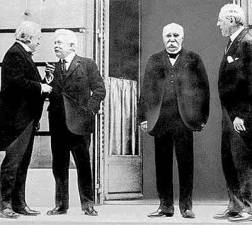
When asked how he thought he had done at the Versailles Conference, Lloyd George replied: "Not badly, considering I was seated between Jesus Christ and Napoleon."
|
Going DeeperThe following links will help you widen your knowledge: Why did the victors not get all they wanted from the Treaty?
HAL Fisher writing in 1935: an incredibly detailed account by a British Cabinet minister and friend of Lloyd George, including descriptions of Clemenceau, Wilson and Lloyd George.
Wilson and Wilsonianism
Sources and questions on Lloyd George
|
The Big Three
|
|
|
|
|
|
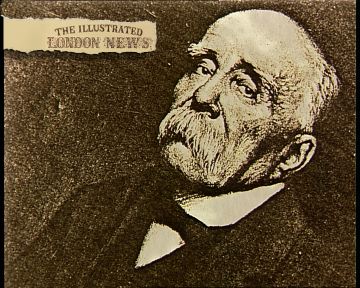
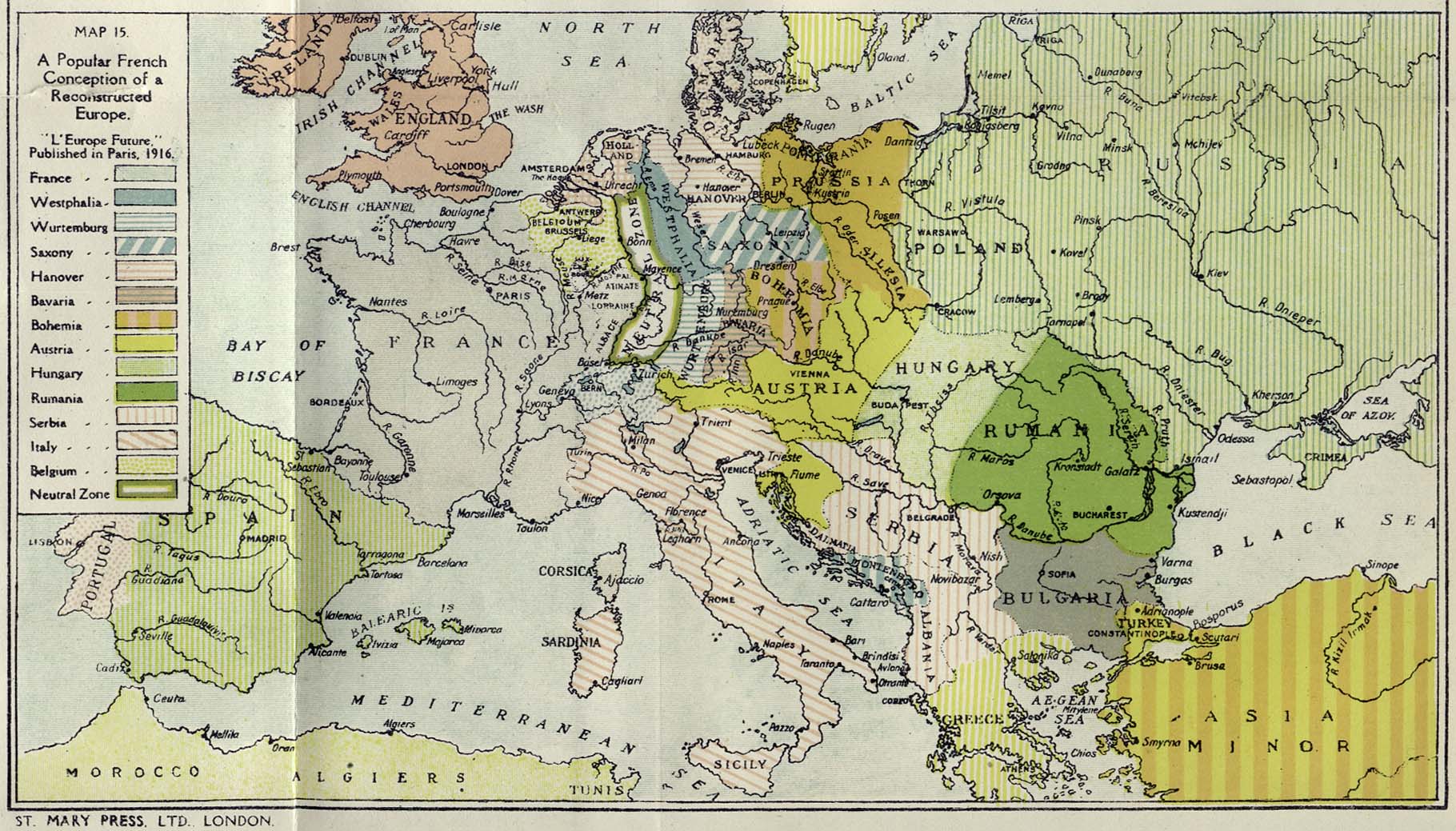
He was the Prime Minister of France. He wanted revenge, and to punish the Germans for what they had done. He wanted to make Germany pay for the damage done during the war. He also wanted to weaken Germany, so France would never be invaded again.
|
Source AAmerica is far away, protected by the ocean. Not even Napoleon himself could touch England. You are both sheltered; we are not. Georges Clemenceau, debating with Wilson and Lloyd George on 27 March 1919. Wilson had pressed Clemenceau for ‘moderation’.
A French map suggesting how Germany should be split up
Did You Know?Clemenceau summed up his attitude: 'There are 20 million Germans too many!'
|
|
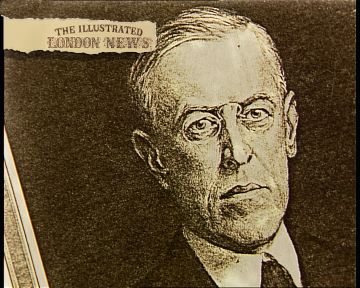
He was President of America. He was a History professor. He wanted to make the world safe. He wanted to end war by mking a fair peace. In 1918, Wilson published ‘Fourteen Points’ saying what he wanted.
He said that he wanted disarmament, and a League of Nations (where countries could talk out their problems, without war). He also promised self-determination for the peoples of Eastern Europe.
|
Source BWe entered this war because violations of right had occurred which touched us to the quick and made the life of our own people impossible unless they were corrected and the world secure once for all against their recurrence. What we demand in this war, therefore, is nothing peculiar to ourselves. It is that the world be made fit and safe to live in; and particularly that it be made safe for every peace-loving nation which, like our own, wishes to live its own life, determine its own institutions, be assured of justice and fair dealing by the other peoples of the world as against force and selfish aggression. Woodrow Wilson, speaking to Congress on 8 January 1918, introducing his 'Fourteen Points'.
|
|
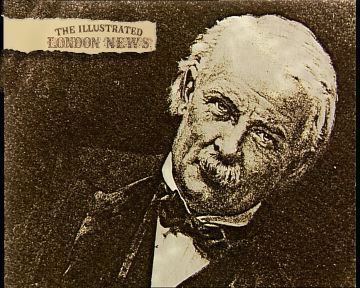
He was Prime Minister of Great Britain. He said he would ‘make Germany pay’ – because he knew that was what the British people wanted to hear. "He wanted ‘justice’, but he did not want revenge. He said that the peace must not be harsh – that would just cause another war in a few years time. He tried to get a ‘halfway point’ – a compromise between Wilson and Clemenceau. He ALSO wanted to expand the British Empire, maintain British control of the seas, and increase Britain's trade
|
Source CWe want a peace which will be just, but not vindictive... Above all, we want to protect the future against a repetition of the horrors of this war. Lloyd George speaking to Parliament (1919) before he went off to the Conference.
Source DWe propose to demand the whole cost of the war from Germany. From a speech by Lloyd George, made in December 1918, during an election campaign.
Source ELloyd George says that Woodrow Wilson can think and talk of nothing but his League of Nations. Wilson will only take any interest in talks if everything centres on the League. He has started to annoy Lloyd George by talking of matters that have already been settled as though they were still open for discussion. From the diary (March 1919) of Frances Stevenson, Lloyd George''s private secretary.
Consider:1. Taking in turn Clemenceau, Wilson and Lloyd George, suggest how each would have answered the following questions: • What should happen to the German army? • How much should Germany be asked to pay for the damage done during the war? • How much land should Germany lose? • Should the Treaty blame Germany for the war? • What is the best way to stop a war ever happening again?
2. Why did Clemenceau, Wilson and Lloyd George have such different attitudes?
3. Why did the 'Big Three' disagree so violently?
|
|
| |
 Simple Essay: